Bed Bugs After Treatment: What’s Normal and When to Call
A bed bug treatment is rarely judged by what happens in the first few hours. Depending on the treatment method and infestation level, some activity can continue for a period afterward. The important question is whether the overall pattern is declining and whether follow-up is being completed as planned.

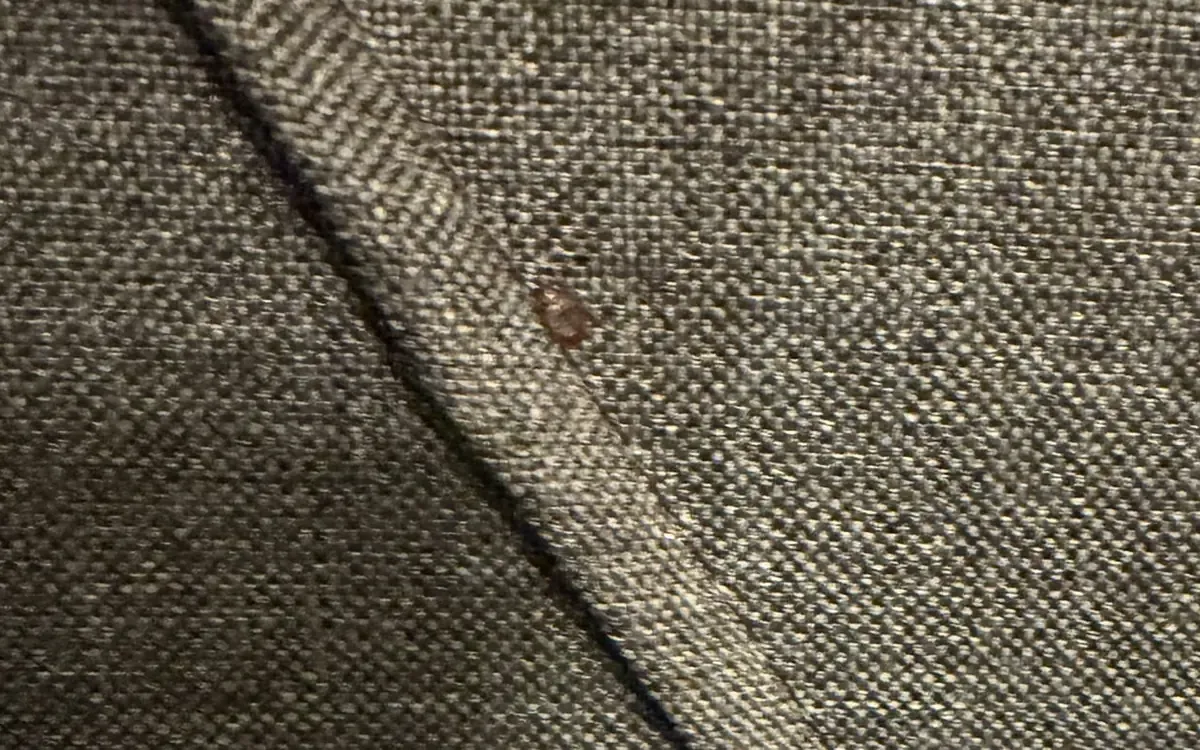
A few sightings after treatment can happen, especially when hidden bugs emerge or eggs hatch after the first visit. Follow the technician's instructions, continue monitoring, avoid applying unapproved products over treated areas, and report ongoing or increasing activity so the follow-up plan can be adjusted.
Why bugs can appear after the first visit
Bed bugs hide deeply in furniture joints, wall cracks, box springs, and other narrow spaces. Some treatment methods rely on residual products or dusts continuing to work after the technician leaves rather than killing every hidden bug instantly.
Eggs can also hatch after the initial service. That is one reason professional programs often include monitoring and more than one visit rather than relying on a single treatment day.
What matters more than one sighting
- Whether sightings are becoming less frequent over time.
- Whether the bugs are still confined to the original room or appearing elsewhere.
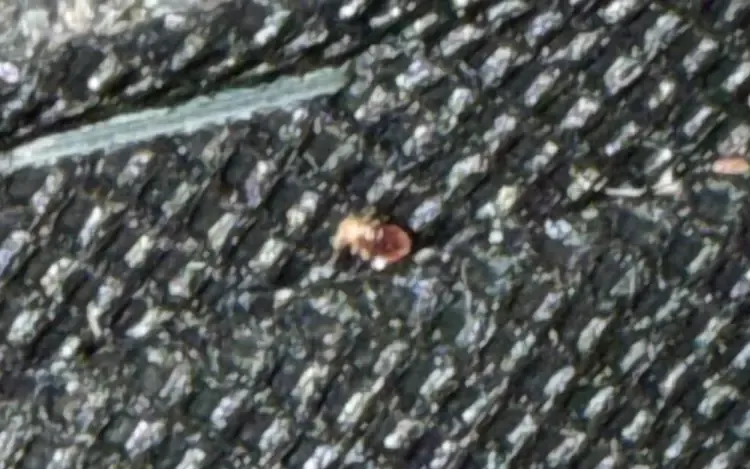
- Whether fresh fecal spotting, eggs, or shed skins are still being found.
- Whether preparation and aftercare instructions were followed.
- Whether adjacent units or shared walls could be contributing to reinfestation in a multi-unit property.

Do not undo the treatment
Deep-cleaning treated cracks too soon, spraying store-bought insecticides over professional products, or moving belongings between rooms can interfere with the treatment plan. Follow the specific cleaning and re-entry instructions you were given.
Continue laundering and containing items only as directed. Over-handling belongings can spread bugs unnecessarily.
When should you contact the exterminator again?
Contact the company if activity is not trending downward, if you are seeing multiple live bugs repeatedly, if new rooms become involved, or if the scheduled follow-up date is approaching and you still have evidence.
A good follow-up is not just another spray. It should reassess harbourage, preparation, monitoring results, and any possible source of continued movement.
Have the treatment response checked
If activity is not declining or new rooms are becoming involved, we can review the preparation, harbourage areas, treatment response, and whether another visit is needed.
Sources and further reading
Sources below support the general identification, prevention, and treatment information used in this guide.