
Bed Bugs in Your Mattress: Keep It or Replace It?
Finding bed bugs on a mattress makes many people want to throw the entire bed away immediately. In many cases that is unnecessary. The mattress is only one possible hiding area, and replacing it does not remove bugs hiding in the frame, box spring, furniture, baseboards, or nearby cracks.

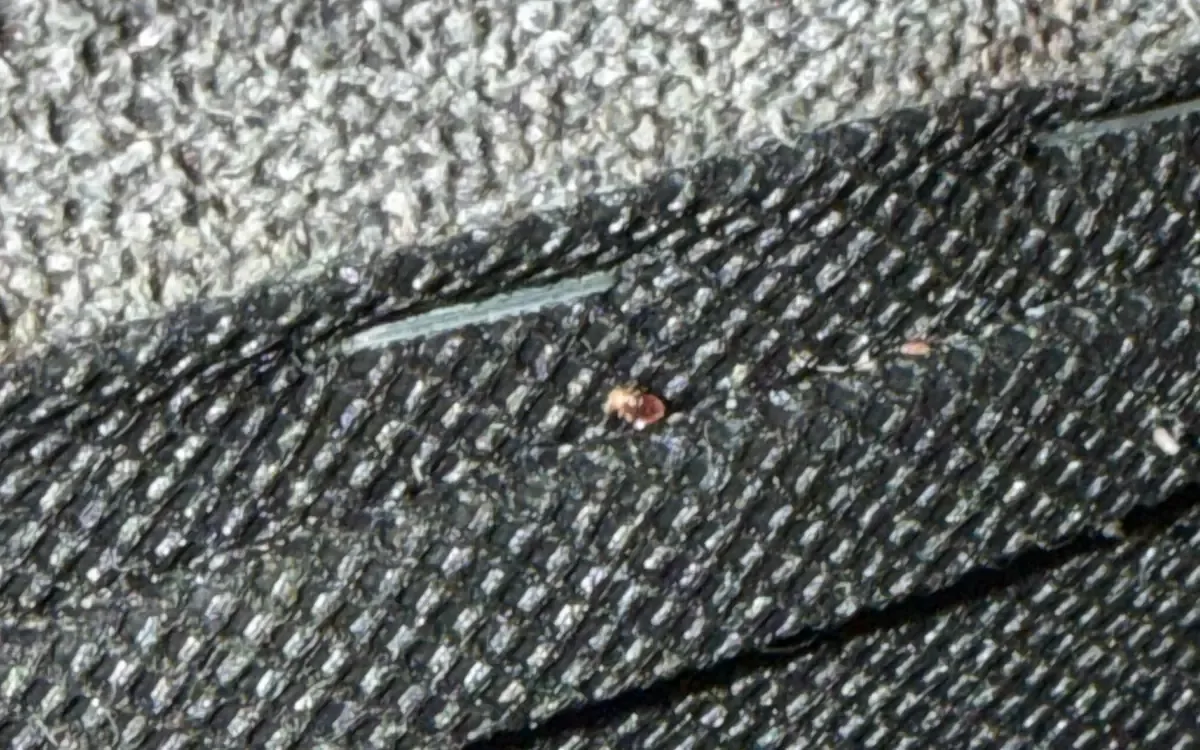
You usually do not need to throw away an intact mattress just because bed bugs are present. Professional treatment plus a bed-bug-rated encasement can often allow the mattress and box spring to remain in use. Replacement may make sense when the item is badly damaged, impossible to treat, or cannot be safely encased.
Why replacing the mattress may not solve the problem
Bed bugs do not live only inside mattresses. They commonly hide in bed frames, headboards, box springs, nearby furniture, cracks, and wall voids. A brand-new mattress can become infested again if the surrounding harbourage is not treated.
Moving an infested mattress through hallways or other rooms can also spread bugs or eggs to new areas if it is not properly contained.
What a mattress encasement does
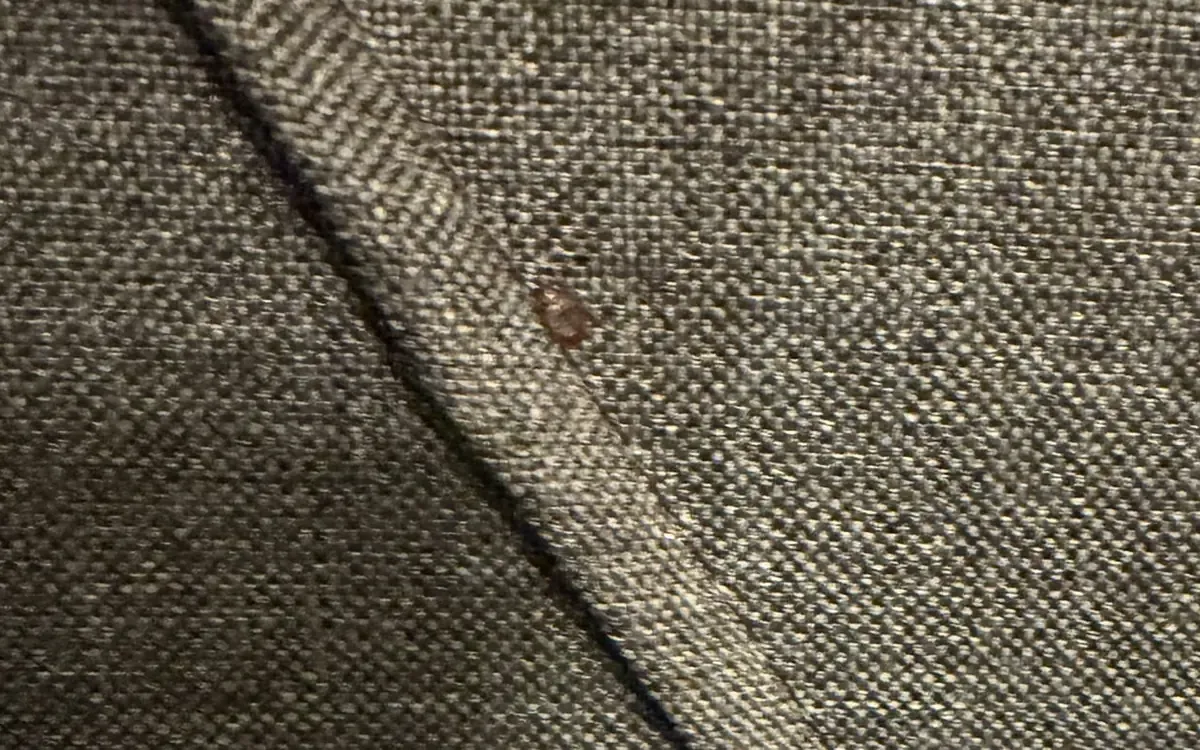
A purpose-made bed bug encasement completely surrounds the mattress or box spring and closes securely. It reduces hiding places, makes inspection easier, and can trap bugs already inside so they cannot reach a host.
The encasement needs to remain intact. Tears, open zippers, or gaps defeat the purpose, so it should be checked periodically and used according to the manufacturer's directions.
Mattress and box spring should be considered separately
Box springs often contain many seams, folds, staples, and voids that provide excellent bed bug harbourage. In some cases the box spring requires more detailed treatment than the mattress itself.
If your treatment plan calls for encasements, both the mattress and box spring may need appropriate covers rather than covering only one component.
When disposal may be reasonable
- The mattress or box spring is badly torn or structurally damaged and cannot be reliably treated or enclosed.
- The item is heavily infested and replacement is part of the professional treatment plan.
- The item cannot be safely cleaned, treated, or protected with a suitable encasement.
If you do dispose of an infested item
Do not move it uncovered through the home or building. Follow local disposal rules, contain the item as much as practical, and clearly mark or damage discarded furniture so another person does not take it home.
Most importantly, do not assume disposal ends the infestation. The surrounding room still needs to be inspected and treated.
Check whether the bed can be treated before replacing it
Replacing a mattress too early can add cost without solving the infestation. We can inspect the bed, frame, box spring, and surrounding area and explain whether treatment and encasement are appropriate.
Sources and further reading
Sources below support the general identification, prevention, and treatment information used in this guide.