
I Found One Bed Bug. Does That Mean I Have an Infestation?
Seeing one bed bug can be confusing because the number you see is not always the number present. A single confirmed bug may be an isolated introduction, or it may be the first visible sign of a hidden population. The useful next step is not panic — it is identification and a careful inspection.

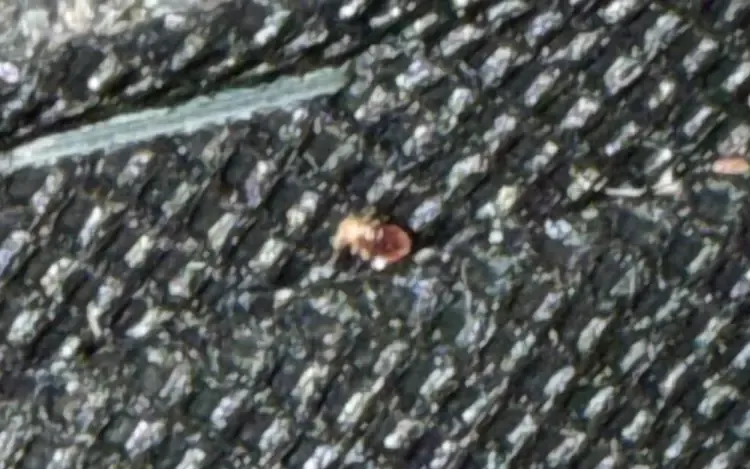
One bed bug does not prove a large infestation, but it is enough to investigate. Confirm the insect, inspect the mattress, box spring, bed frame, headboard, nearby furniture, and surrounding cracks for additional bugs, eggs, shed skins, or dark spotting. Avoid moving to another room, because surviving bugs can follow and spread the problem.
First, make sure it really is a bed bug
Bed bugs are small, flat, reddish-brown insects. Adults are roughly apple-seed shaped, while younger nymphs are smaller and lighter in colour. Carpet beetles and other small household insects are sometimes mistaken for bed bugs, so a clear photo or collected specimen can prevent the wrong treatment.
Bites alone are not a reliable way to confirm bed bugs. Skin reactions vary widely, and some people do not react at all. Physical evidence is more useful than bite appearance.
Where to inspect after finding one
- Mattress seams, piping, labels, and the underside of the mattress.
- Box spring fabric, corners, staples, and the frame underneath.
- Bed frame joints, screw holes, headboard cracks, and wall contact points.
- Nearby nightstands, upholstered furniture, baseboards, and cracks within a few metres of the bed.
- Look for live bugs, pale eggs, shed skins, rusty stains, and small dark fecal spots.

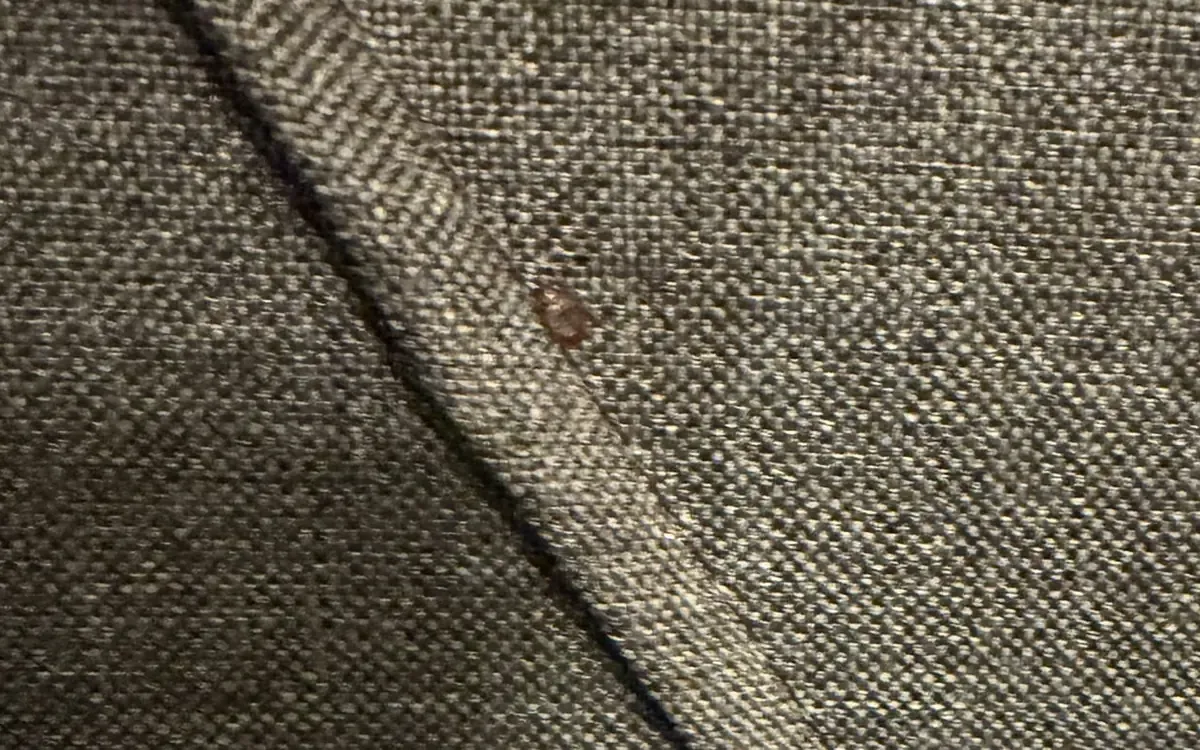
Does one bug mean there are more?
Sometimes a single bed bug is introduced on luggage, clothing, furniture, or belongings and is discovered before an infestation develops. But bed bugs spend most of their time hidden, so finding one does not rule out others nearby.
Low-level infestations are often the hardest to detect because there may be very little visible evidence. Early inspection matters because established infestations are more difficult and expensive to control.
What not to do
- Do not move to another bedroom just because you found a bug. That can encourage bed bugs to spread to another sleeping area.
- Do not carry mattresses, bedding, or furniture through the home without containing them.
- Do not use foggers or random pesticide sprays. They may not reach harbourage areas and can make professional treatment more difficult.
- Do not throw away a mattress automatically. Many mattresses can be treated and protected with a suitable encasement.
When to call a pest professional
Professional inspection makes sense when the insect is confirmed as a bed bug, when more than one room may be involved, when there are repeated sightings, or when you live in a multi-unit building where activity may move between units.
If you can safely capture the insect in a sealed container or take a clear photo, keep it for identification. That can make the first conversation much more useful.
Get the room inspected before the problem spreads
A single sighting does not reveal the size of the infestation. We can inspect likely harbourage areas, assess how far activity may have spread, and explain the treatment and follow-up plan.
Sources and further reading
Sources below support the general identification, prevention, and treatment information used in this guide.